Teaching in the Age of Change
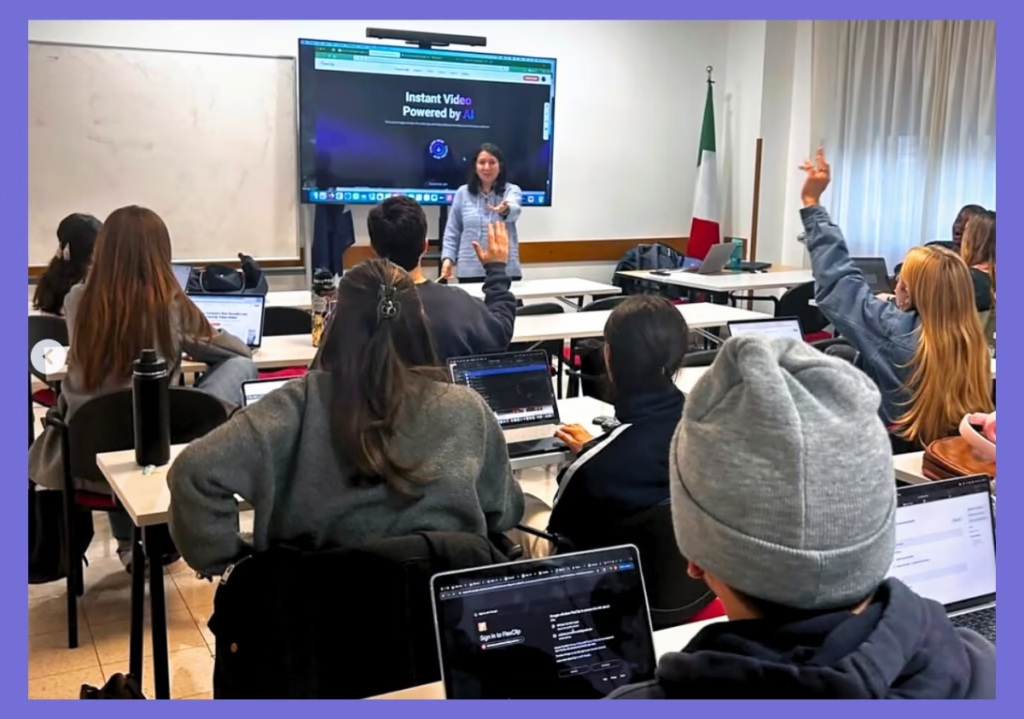
This week I welcomed a new group of students to my Social Media Management and Transmedia Storytelling classes at The American University of Rome.
As I introduced myself, I realized how long I’ve been reinventing my courses to keep up with the latest tools and technologies. I’ve been teaching university students since 2000 and full-time since 2002. My educator journey has taken me from New York and New Jersey to Rome, then to Myanmar and Malawi, and now, since 2024, back to Rome again.
Each time I return to my courses, the tools may have changed, but the mission stays the same: help students understand how to tell meaningful stories, communicate with impact, and adapt to new technologies in a rapidly changing world.
Teaching in 2026: It’s Not Just About Tools
In 2006, I was invited to help build and create the digital media track for the university’s communication program. Since then, I’ve seen platforms come and go as well as technologies emerge and evolve. Now, in 2026, I’m not so interested in keeping up with specific tools and platforms but rather sharing with my students how to be self sufficient and self-directed learners who can use these emerging tools in a way that keeps creativity, curiosity, and human authenticity alive and well.
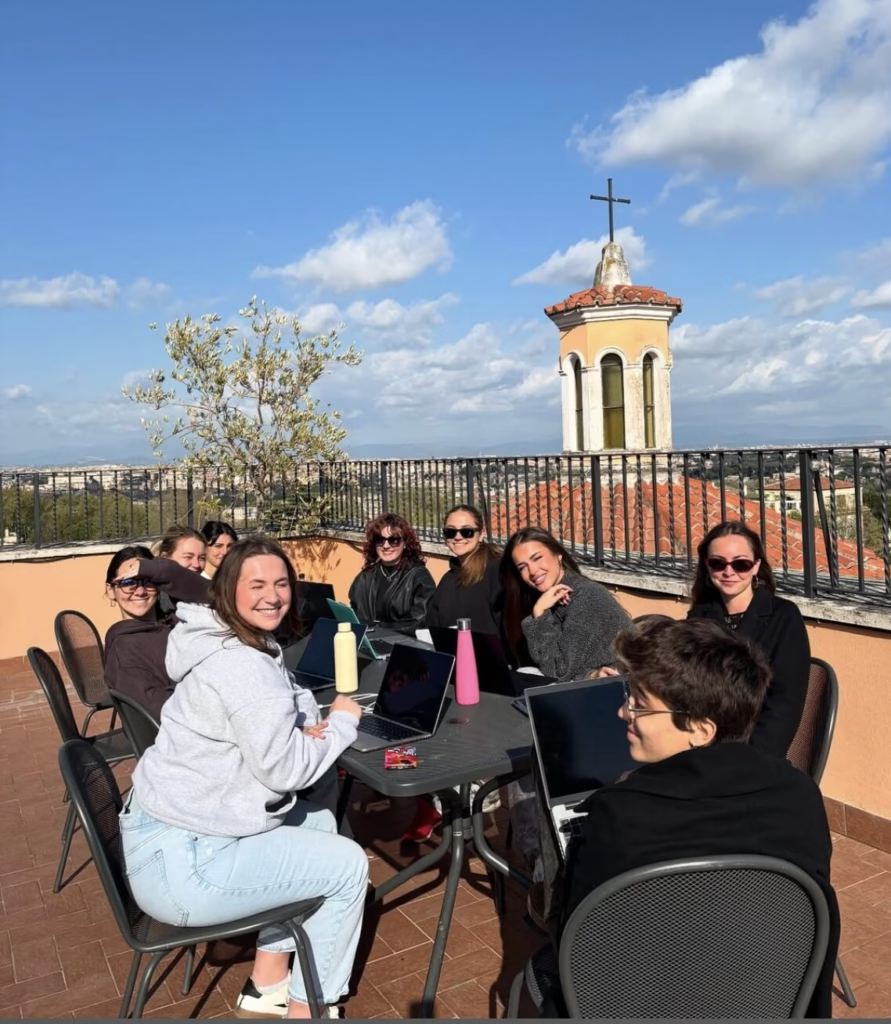
Many of my students are around 19 or 20. As I look around, I can almost see my younger self in the crowd , wide-eyed, hopeful, a bit anxious, and full of questions. What kind of world are they stepping into? What jobs will even exist five years from now? What will it take to thrive in a world that’s constantly being reshaped by automation and AI?
And it’s not just students wondering. My own teenage sons (14 and 16) are asking similar questions as they begin to explore college and career paths.
AI in the Classroom: Tool, Not Shortcut
There’s a lot of talk about AI right now. I enjoy learning about and exploring the tools. I follow the news. But I remind my students, and myself, that these are just tools. They’re not a replacement for voice, depth, or human authenticity.
This semester we’re exploring some AI tools together. We’ll experiment with tools like ChatGPT, Runway, and others, but we’ll do it critically and with curiosity. I want students to understand what can’t be automated: originality, emotional truth, and slow, authentic (and even imperfect!) human craft.
The Return to Slow
There’s a noticeable shift happening in storytelling and media. People are turning away from sterile, overly polished “AI slop.” This is the kind of content farmed out to the bots and made without any real human thought, voice, or heart. More and more, audiences are craving work that feels genuine and imperfectly authentic.
AI can speed up content creation, but it also leaves many of us craving what’s real and raw. Like a lovingly prepared slow-cooked meal, slow art and storytelling have their own resonance and weight. I like to think that in a world of mass-produced cookies in a factory, people are always going to prefer Grandma’s homemade cookies slowly made with love.
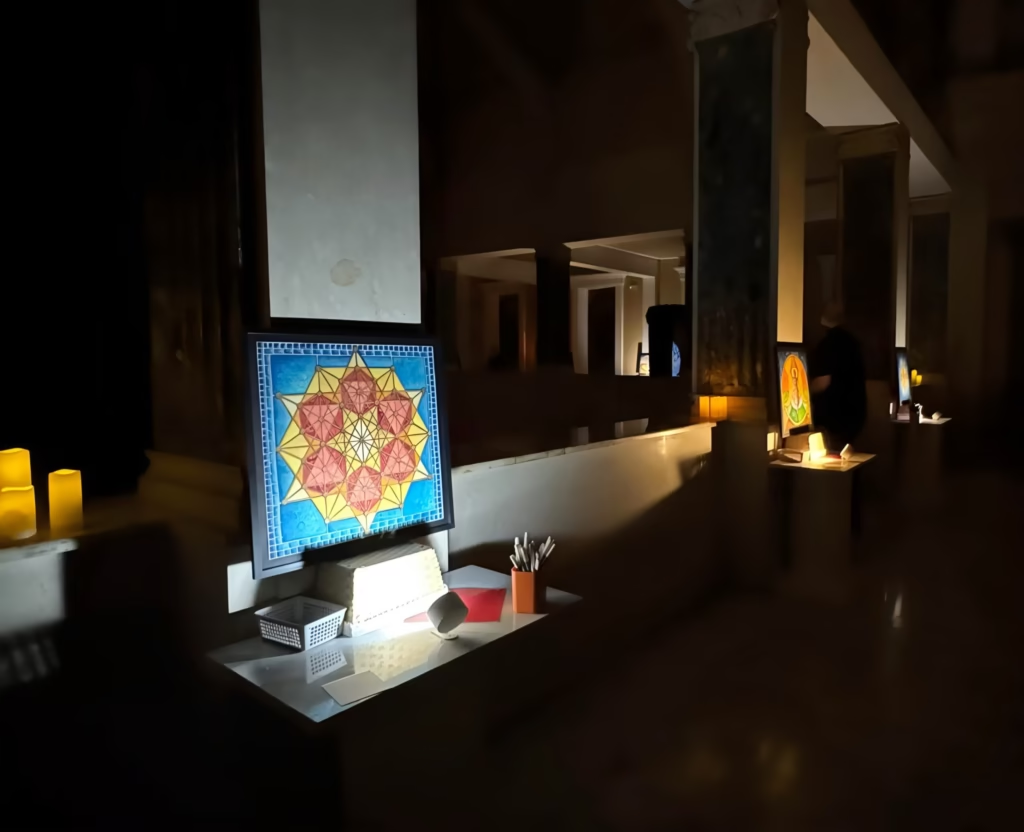
This semester, we’re bringing slow writing and slow art back. We’ll use the fast tools to make space for the deeper work. Students will use ChatGPT to draft, help research, and outline, and tools like Runway to animate hand drawn images and illustrations, but the heart of the story and the real message will still come from them.
Why I Teach This Way: A Personal Journey
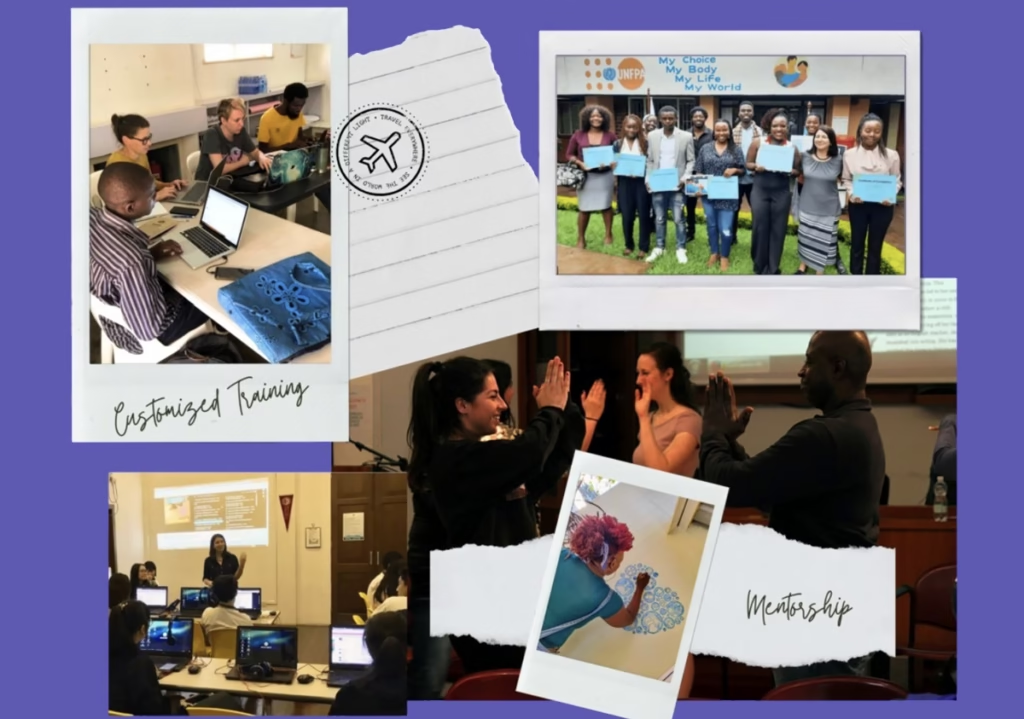
This mindset comes from experience. In 2016, I left a full-time, tenured position and moved with my family to Myanmar and later to Malawi. I had to rebuild my career from scratch and reinvent the wheel as I offered my skills in new ways outside the university classrooms in the industrialized world that I’d grown so used to. I designed for UN agencies, led workshops, and worked with students all over the world. It was a crash course in resilience and self-sufficiency. I found myself teaching, learning, creating, and adapting all at once.
So when I ask my students to lead with curiosity, to be flexible, and to build portable, adaptable skills, it’s because I see what is on the horizon for them and can relate to what they are about to go through.
What If the World Shifts?
These are the questions I keep asking. What if the job you’re preparing for doesn’t exist in a few years? What if your whole industry changes overnight? How will you respond?
Even universities are starting to face important questions. Many students are taking on large debts, and it’s becoming clear that degrees alone may not guarantee job readiness in the next five years. As someone who has spent years teaching in higher education, I still believe in its value. At the same time, I know we need to do more to help students build flexible, creative, and values-driven skills that can adapt to whatever the future brings.
A New Kind of Learning
What I truly hope students take away from my classes isn’t how to master a platform. It’s how to be brave, how to adapt, and how to remain human even when the systems around them are built by machines.
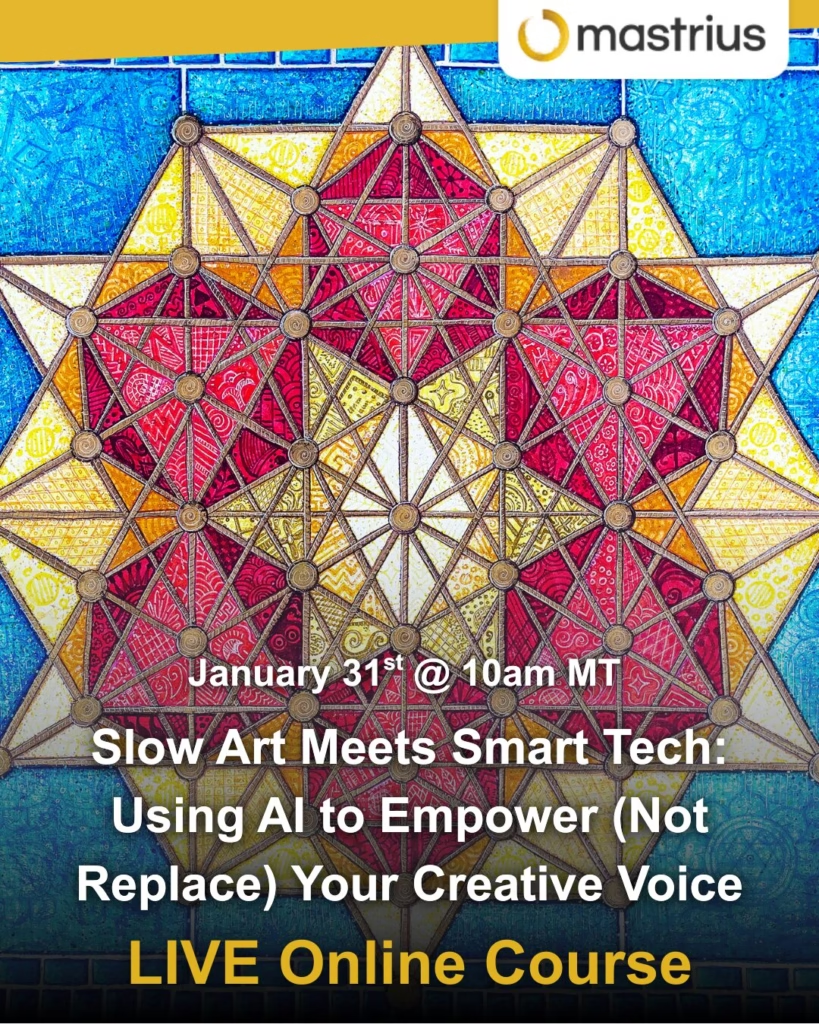
On January 31, I’m teaching a 1-hour online masterclass called From Slow Art to New Tech. It’s especially for artists, educators, and creative professionals looking to use AI tools wisely. The aim is to support, not replace, their voice. We’ll explore time-saving tools and ways to make your work stand out without being swallowed by tech overwhelm.
In the End, It’s About How You Show Up
Whether you’re a student just starting out or a seasoned creative reinventing yourself, this moment we’re in is real. It’s full of unknowns. But the way you show up matters.
We don’t control the pace of change. But we do get to choose how we respond to it. I’m choosing curiosity, exploration, and a touch of career survivalist bad-assery.
Who’s with me?